The technology industry is facing an unprecedented price surge that’s fundamentally reshaping the economics of IT procurement. If you’ve been monitoring hardware costs recently, you’ll have noticed something alarming: RAM and SSD prices are skyrocketing. And unlike previous market fluctuations, this isn’t a temporary blip. Industry experts are warning that we’re witnessing a structural shift that could persist well into 2027 or beyond.
Understanding the Crisis
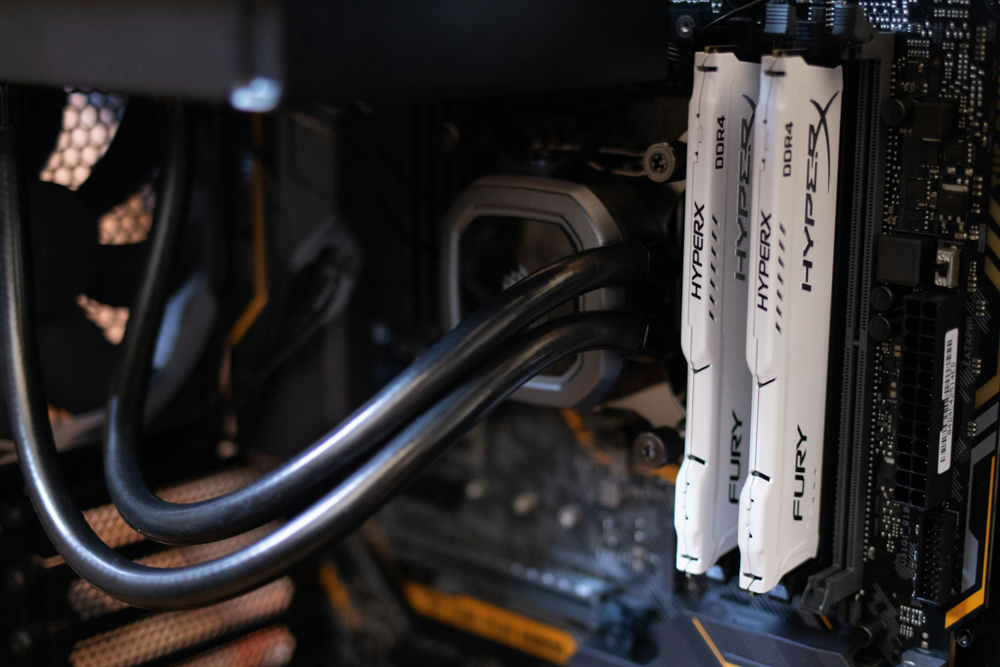
According to recent industry reports, contract prices for DRAM and NAND products have nearly doubled in just one month. Perhaps most strikingly, a single 16GB DDR5 chip that cost around £5.50 in September 2025 now commands over £21 in December 2025. When you factor in the additional components needed for a complete memory module – PCB, assembly, testing, and power management ICs – the cost of RAM alone for a basic 16GB module now exceeds £180, before manufacturer premiums, logistics, or taxes.
Why This Time Is Different
Previous RAM and SSD price spikes have typically been driven by temporary supply chain disruptions or sudden demand surges. This situation is fundamentally different. The world’s major memory manufacturers – Samsung, Micron, and SK Hynix – have made a strategic pivot away from commodity memory production.
This shift is being driven by the explosive growth of artificial intelligence infrastructure.
Tech giants including NVIDIA, Microsoft, Meta, and Google are investing billions in AI data centres. These facilities require High Bandwidth Memory (HBM) and high-performance SSDs, products that generate 5-10 times more profit for manufacturers than conventional DDR4, DDR5, and consumer-grade storage.
For manufacturers, it’s a straightforward decision. When faced with the choice between producing legacy RAM that generates modest margins or HBM that commands premium pricing, they’re reallocating production capacity to serve the AI boom.
The Long Road to Recovery
Building new memory fabrication facilities isn’t a quick fix. Even if manufacturers decided today to construct new facilities dedicated to commodity memory, these would take at least three years to come online and wouldn’t reach full production capacity until 2029 at the earliest. The reality is that companies like Micron, Samsung, and SK Hynix are unlikely to make such investments when HBM remains far more profitable.
This structural shift affects both DDR4 and DDR5 memory. Demand for DDR4 will persist for another 2-3 years minimum, as popular business laptops like the Dell Latitude 5420, 5430, and 5440 all utilise DDR4. DDR5 will remain the standard for 5+ years, yet supply for both is contracting rapidly.
The Refurbished Alternative
This crisis makes a compelling case for reconsidering your IT procurement strategy. Refurbished business-grade laptops with 16GB of RAM pre-installed offer a pragmatic solution that addresses both immediate cost pressures and longer-term sustainability objectives.
Immediate Cost Benefits
When you purchase a refurbished device, you’re acquiring equipment that was manufactured when RAM and SSD prices were dramatically lower. The memory and storage are already installed – you’re not paying today’s inflated component costs. Whilst increased demand for refurbished equipment may drive some price adjustments, these increases will be modest compared to the dramatic escalation affecting new devices, where manufacturers must purchase RAM and SSD components at today’s inflated prices.
The pricing dynamic is straightforward: new device manufacturers face the full impact of quadrupled component costs, whilst refurbished equipment already has its memory installed at historical prices. This fundamental difference means that as new device prices continue their steep climb throughout 2026, the cost advantage of refurbished equipment will widen significantly.
The 16GB Advantage
Most business users require 16GB of RAM for modern workflows – it’s become the standard specification for productivity applications, video conferencing, web browsing, and multi-tasking. A refurbished enterprise laptop with 16GB DDR4 or DDR5 already installed means you’re not exposed to today’s inflated component costs. That memory was purchased and installed when costs were 50-75% lower than current market rates.
Consider the numbers: with a 16GB module now costing over £180 in components alone, and prices potentially doubling again throughout 2026, the built-in RAM in a refurbished device represents significant locked-in value. Whilst refurbished pricing may adjust to reflect increased demand, any increases will be measured in pounds rather than the hundreds of pounds affecting new equipment. You’re fundamentally insulated from the dramatic component price volatility that’s reshaping new device economics.
For the vast majority of business users, a refurbished device with 16GB RAM delivers identical performance to a new machine for everyday tasks – email, Microsoft 365, web applications, video calls, and document creation all run seamlessly. The difference is that you’re avoiding the severe component cost inflation that’s driving new device prices to unprecedented levels.
With RAM prices quadrupling for new equipment, a refurbished laptop with 16GB pre-installed offers the same performance whilst protecting you from the worst of the crisis – all whilst preventing 225kg CO2e per device.
Environmental Impact
Beyond the financial benefits, choosing refurbished equipment delivers measurable environmental value. Each refurbished device prevents approximately 225kg CO2e compared to manufacturing new equipment – a 75% reduction in carbon footprint per device. When you’re deploying dozens or hundreds of devices, these savings compound substantially.
Real-World Carbon Impact
To put these savings in perspective:
- 10 refurbished devices = 2.25 tonnes CO2e prevented (equivalent to taking a car off the road for a year)
- 50 refurbished devices = 11.25 tonnes CO2e prevented (equal to planting 500 trees)
- 100 refurbished devices = 22.5 tonnes CO2e prevented (equivalent to 50 return flights from London to New York)
- 500 refurbished devices = 112.5 tonnes CO2e prevented (the annual carbon footprint of 11 UK households)
- These aren’t abstract numbers – they represent measurable carbon reduction that directly supports your organisation’s Net Zero commitments and ESG reporting requirements.
At Tier1, we’ve helped organisations avoid millions of kilograms of CO2e emissions through our BSI Kitemark™ certified refurbishment programme, delivering quality equipment whilst supporting genuine environmental responsibility.
Quality Assurance
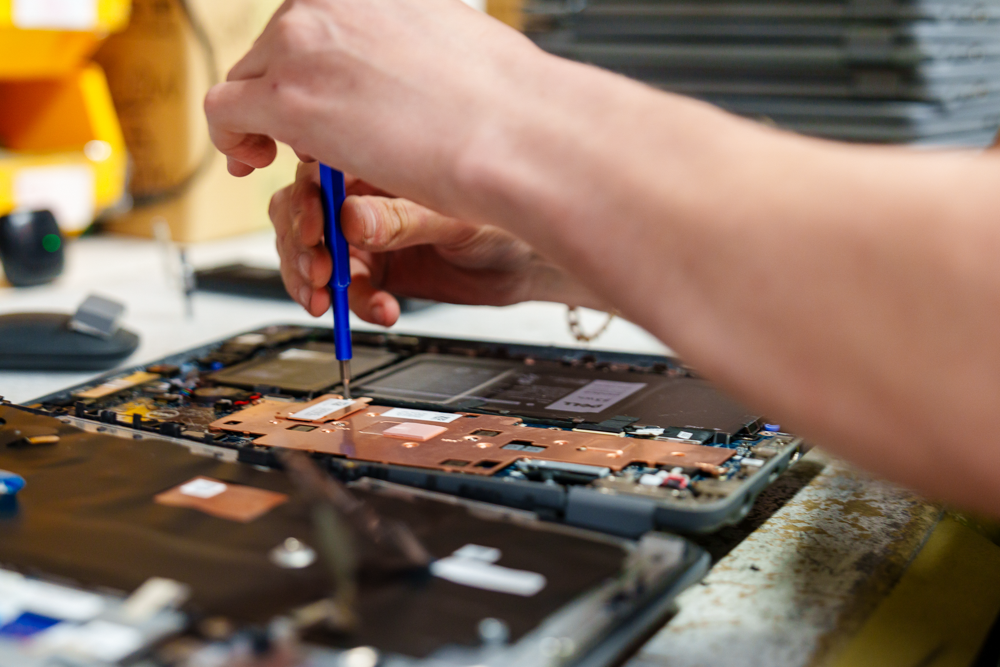
Modern refurbished equipment isn’t simply “second-hand.” Our BSI Kitemark™ certification, held by only a handful of organisations globally, validates our entire remanufacturing process against stringent BS 8887 standards. Every device undergoes comprehensive testing, professional cleaning, and component replacement where necessary. We provide 12-month warranties as standard, with options for extended coverage up to three years.
Making the Switch
Transitioning to refurbished equipment doesn’t mean compromising on quality or performance. Modern business workflows – email, web applications, video conferencing, document creation – run seamlessly on enterprise-grade refurbished devices with 16GB RAM. For the vast majority of users, the experience is indistinguishable from new equipment.
At Tier1, we specialise in helping organisations navigate these transitions. Our BSI Kitemark™ certified refurbishment process, comprehensive warranties, and lifecycle management expertise ensure you receive equipment that meets your needs whilst supporting your environmental objectives.
The Bigger Picture
The RAM and SSD crisis is a reminder that the technology industry is evolving rapidly. The AI boom is reshaping supply chains and manufacturing priorities in ways that will persist for years. Organisations that adapt their procurement strategies accordingly – embracing refurbished equipment where appropriate – will be better positioned to manage costs, maintain supply continuity, and demonstrate environmental leadership.
As we enter 2026 with new device prices continuing their steep ascent and supply becoming increasingly constrained, the question isn’t whether to consider refurbished equipment – it’s why you haven’t already.
Ready to explore how refurbished IT equipment can support your organisation? Contact our team to discuss your requirements and discover how Tier1’s BSI Kitemark™ certified refurbishment services can deliver quality, value, and environmental impact.
Call: 0161 777 1000 | Email: sales@tier1.com